Fiber: The Essential Component for Digestive Health
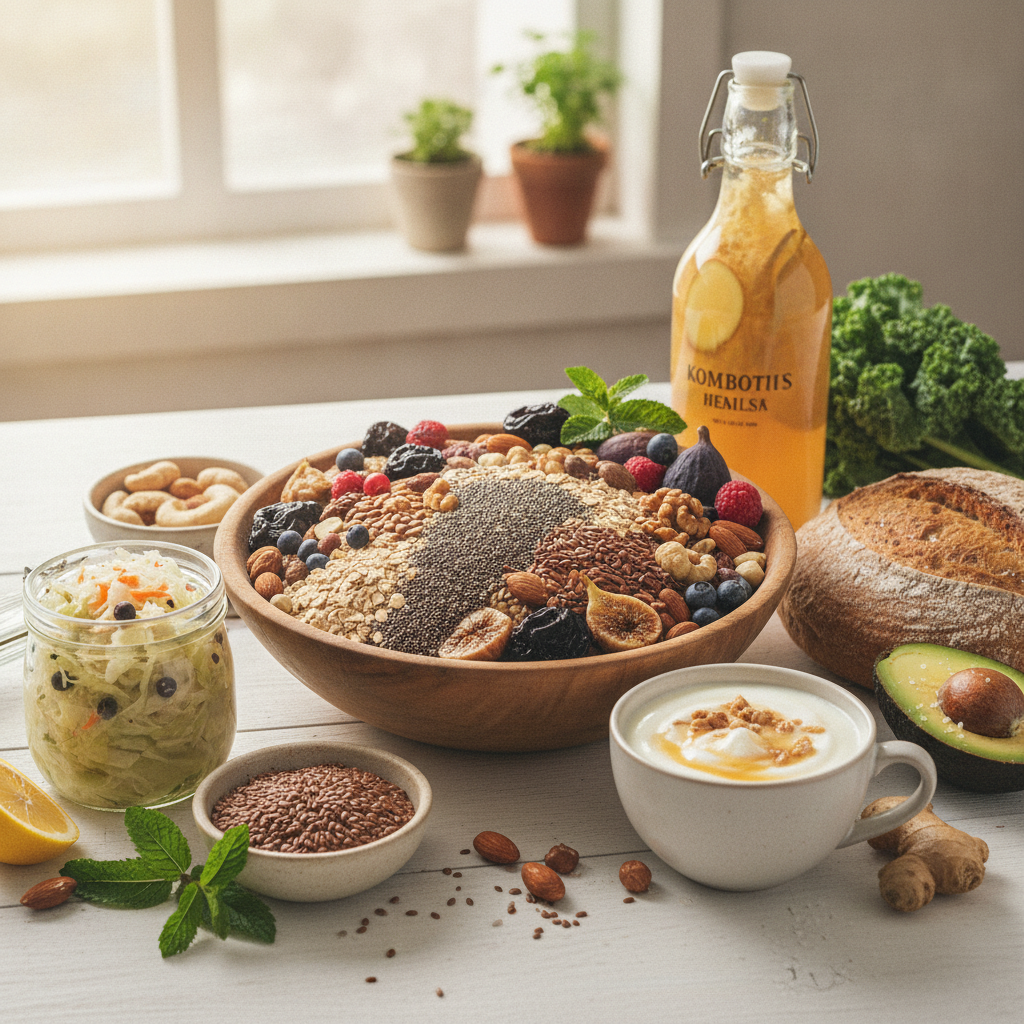
Why Fiber Matters
Dietary fiber promotes digestive health through multiple mechanisms. Soluble fiber forms viscous solutions that slow gastric emptying, moderating glucose and lipid absorption. Insoluble fiber increases stool bulk, promoting regular bowel movements.
Fiber fermentation by gut bacteria produces short-chain fatty acids providing energy to intestinal cells and systemic anti-inflammatory effects. This process creates conditions favoring beneficial bacterial growth while limiting pathogenic organisms.
Fiber Types and Sources
Soluble fiber from oats, beans, apples, and citrus fruits dissolves in water, forming gels that slow digestion. This fiber lowers cholesterol and improves glucose control through gradual nutrient absorption.
Insoluble fiber from whole grains, vegetables, and nuts doesn't dissolve, passing relatively unchanged through the digestive tract. This fiber promotes regularity and prevents constipation through increased stool bulk.
Health Benefits
Regular fiber consumption reduces colorectal cancer risk substantially. Higher fiber intake protects against both colon and rectal cancers. This protective effect likely stems from multiple mechanisms including reduced carcinogen exposure time and increased production of protective bacterial metabolites.
Fiber consumption improves cholesterol profiles independently of medication. Soluble fiber binds cholesterol in the intestine, preventing reabsorption. Regular fiber intake reduces LDL cholesterol and triglycerides while maintaining HDL cholesterol.
Increasing Fiber Intake
Gradual fiber increases prevent digestive upset. Rapid fiber increases cause bloating and discomfort as gut bacteria adjust to increased fermentable substrate. Increase fiber gradually over weeks, allowing microbial populations to adapt.
Most Americans consume only 15 grams daily despite recommendations of 25-35 grams. Whole grains, legumes, vegetables, and fruits provide substantial fiber. Focusing dietary changes on these foods increases fiber without supplementation.
Adequate Hydration
Fiber requires adequate water for optimal function. Without sufficient fluid, increased fiber can worsen constipation rather than improving bowel regularity. Drink adequate water throughout the day to support fiber function.
Insoluble fiber particularly requires hydration. Without adequate water, insoluble fiber becomes bulky and stool-hardening rather than promoting comfortable bowel movements.
Supplementation Considerations
Whole food sources provide superior benefits compared to isolated fiber supplements. Whole foods offer fiber alongside vitamins, minerals, and phytonutrients. Food-based fiber improves microbiome diversity more effectively than isolated fiber supplements.