Personalized Home Pilates: What Science Says About Results
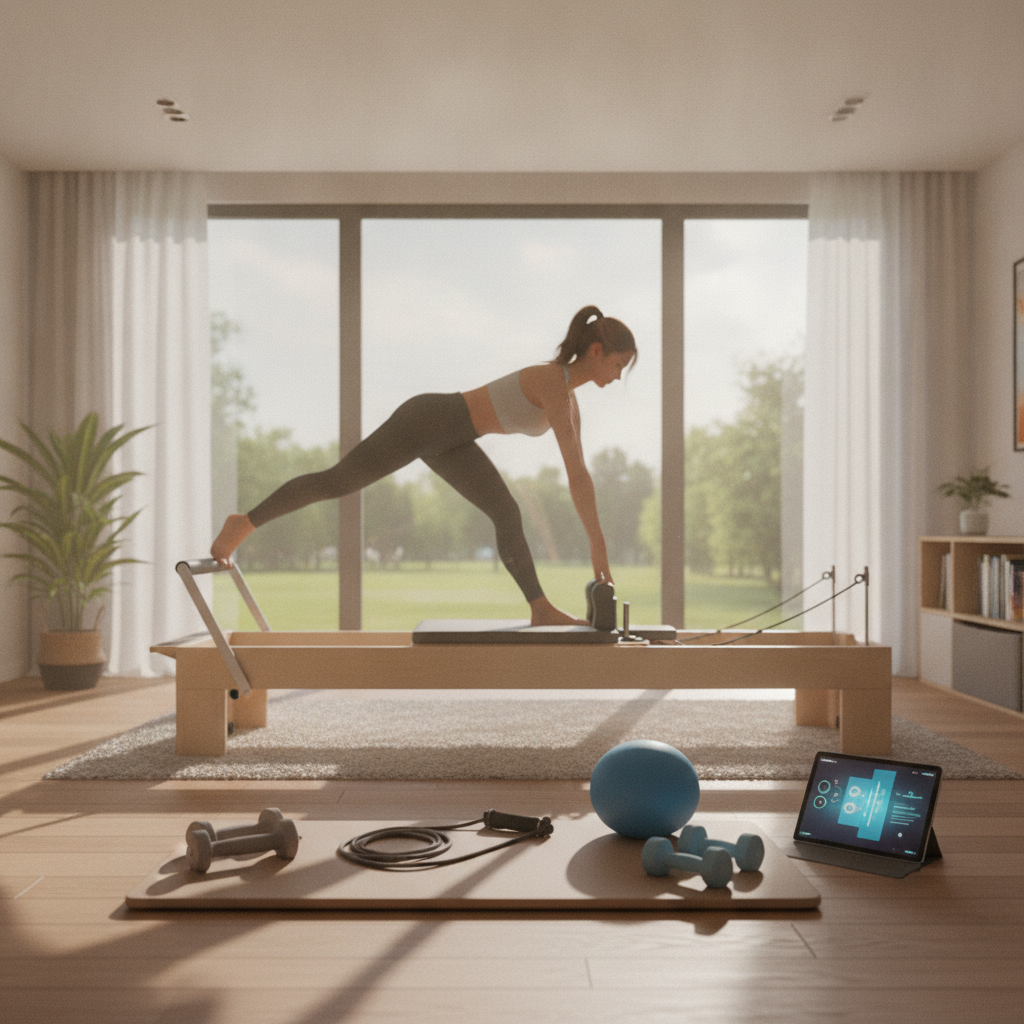
The explosion of home fitness apps has democratized access to Pilates. The question remains: can a screen-based instructor match in-person results?
The Case for Personalization
Generic workout videos fail because they cannot account for individual limitations. Personalized apps use assessments, progress tracking, and adaptive algorithms to create evolving programs.
A 2024 study comparing personalized app-based Pilates with generic videos found personalized users showed 40% greater improvement in core stability and 35% better adherence.
Key Components of Effective Programs
Progressive difficulty scaling, real-time form feedback, session lengths between 15-30 minutes, and integration of breath work with movement.
Physical Benefits Documented
Home Pilates can improve flexibility by 20-30% over 8 weeks, reduce chronic low back pain by up to 50%, increase core endurance, and improve balance.
Who Benefits Most
Beginners intimidated by studios, time-constrained professionals, people managing chronic pain, and those in areas without access to qualified instructors.
Setting Up for Success
All you need is a yoga mat and enough floor space. Practice in a quiet space. Early morning sessions tend to produce better adherence.
Realistic Expectations
Postural improvements appear within 4-6 weeks (3 sessions per week). Strength gains are measurable within 8 weeks. Mental health benefits often manifest within the first two weeks.